■ Writing
The reading list.
The pieces worth reading in full, newest first. New ones go up on LinkedIn before they land here.
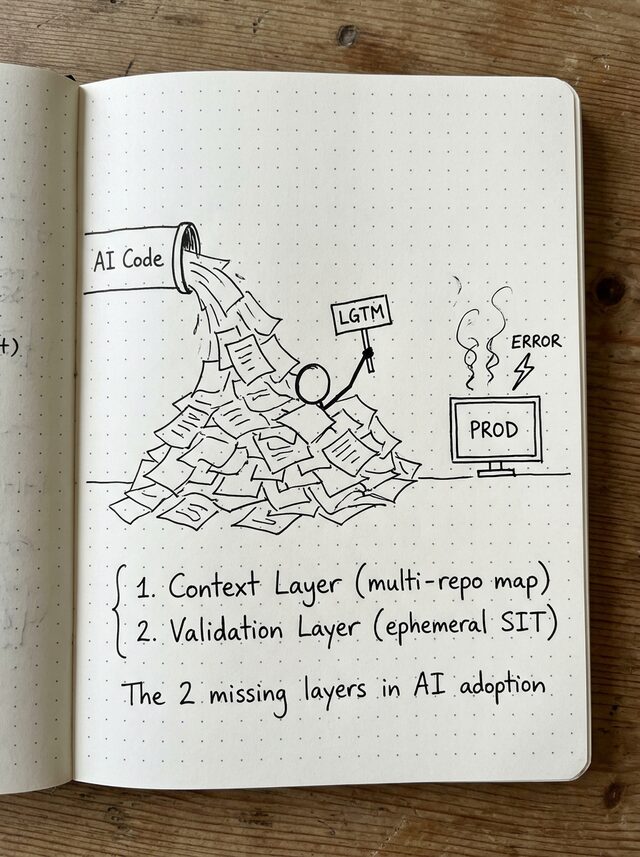
- Giving engineers AI coding tools before giving them ephemeral test environments is the fastest way to drive up token bills while shipping broken code.
In a large codebase AI stalls on two missing pieces: a system-integration suite that runs on an ephemeral environment for every pull request, and a context layer that maps the repositories so the model reads the map before the source.
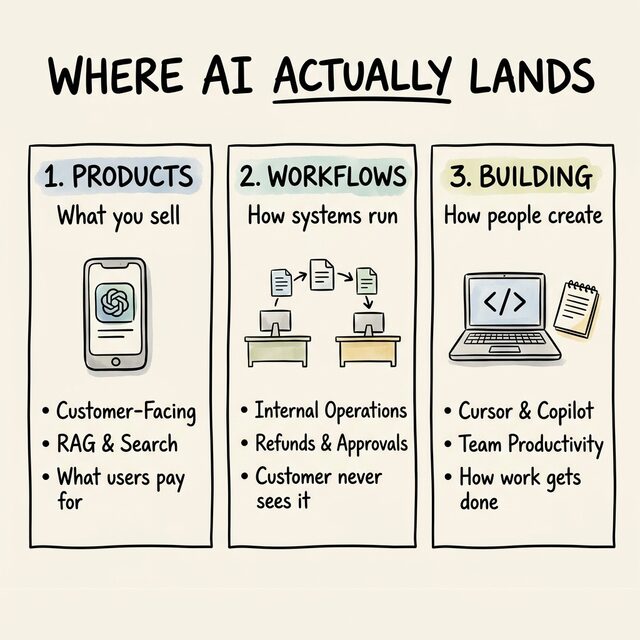
Validation layer LinkedIn - Most confusion around "AI strategy" disappears the moment you realize AI only lands in three places inside a company.
The board means the product, operations means the workflows between teams, engineering means the tools people build with. Say which one you mean and the strategy conversation can start.
Operating model LinkedIn - We may be asking the wrong question about AI and software engineering.
Don't ask whether AI can make engineers more efficient. Ask how engineers can make AI more effective. That changes the role of the engineer.
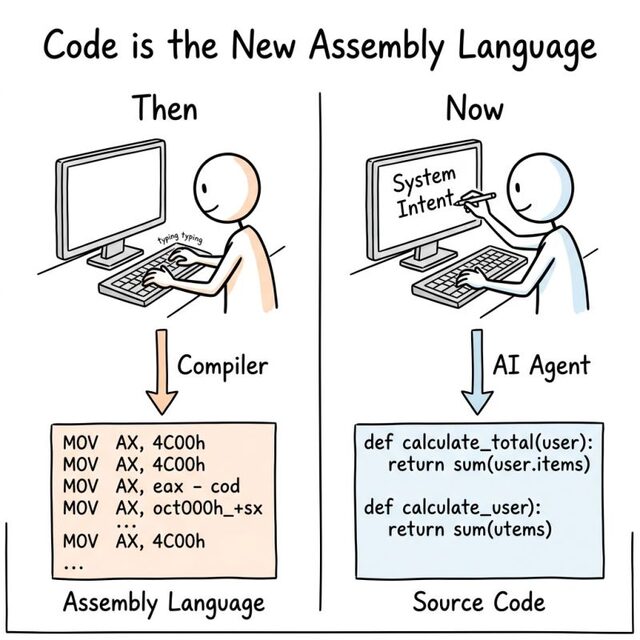
Operating model LinkedIn - When your CEO asks why you still need a full engineering team if AI is writing all the code, show them this.
Code is becoming the new assembly language. When AI writes the code, your primary task is no longer syntax. It is context and validation.
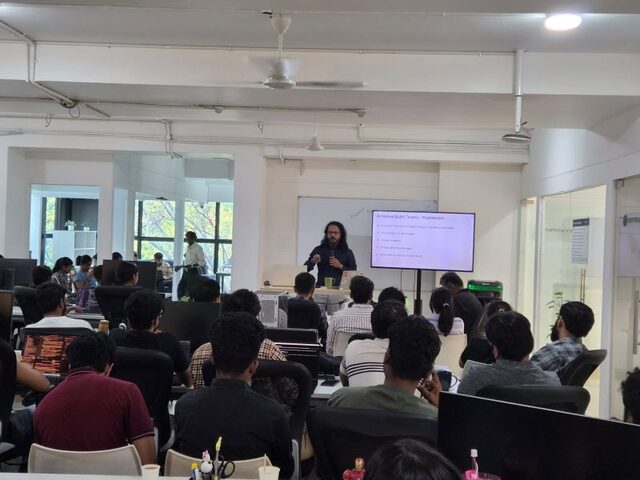
Operating model LinkedIn - The reality of building AI-native engineering teams: the talk at Namma Yatri.
The build curve has collapsed. Execution is no longer the bottleneck; deciding what to build and how to take it to market is. The full deck is linked from the post.
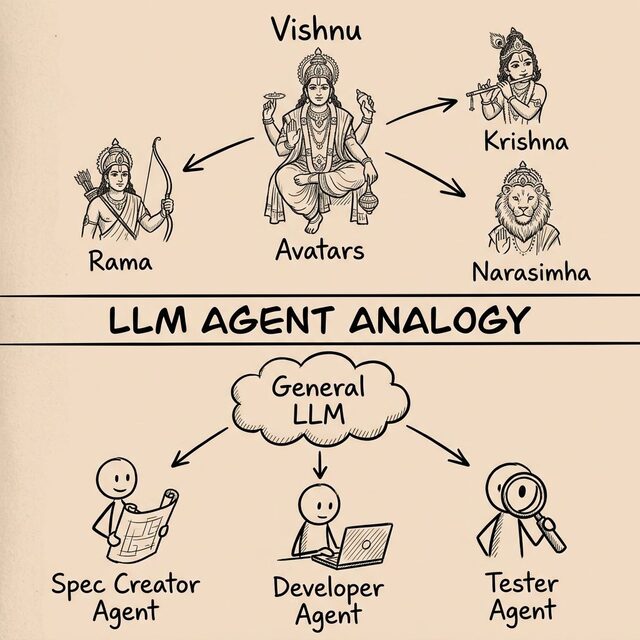
Operating model LinkedIn - An omnipotent LLM is great, but a team of constrained specialist agents is better.
A general model is Vishnu, a specialist agent is an avatar: the same intelligence under deliberate constraints. A tester agent that only cares about breaking things stays on the job in a way a chat window does not.
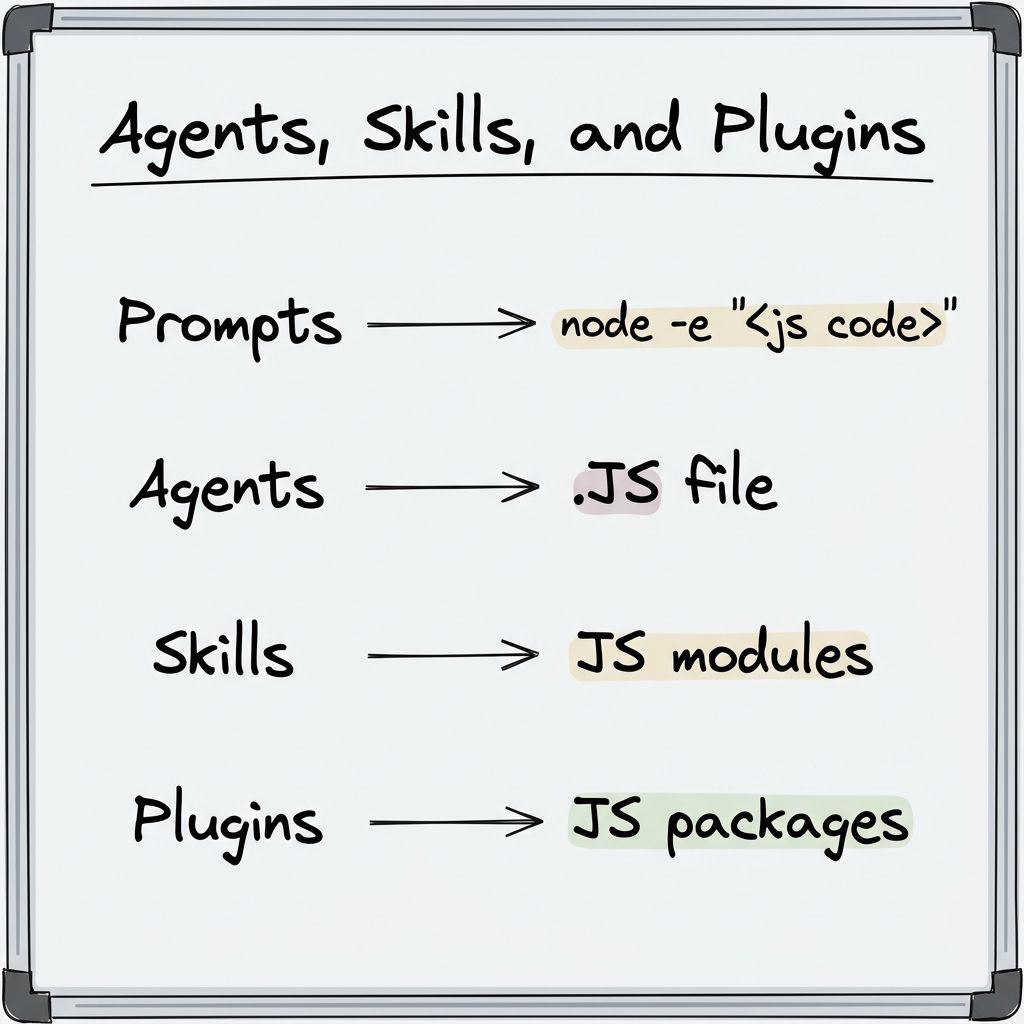
Agents LinkedIn - What's the difference between an AI Agent, a Skill, and a Plugin?
The mechanism behind all three is the same; what differs is how you distribute it. A prompt is a line you throw away, an agent is a file, a skill is a module your organisation reuses, and a plugin or MCP server is the package you hand to people outside it.
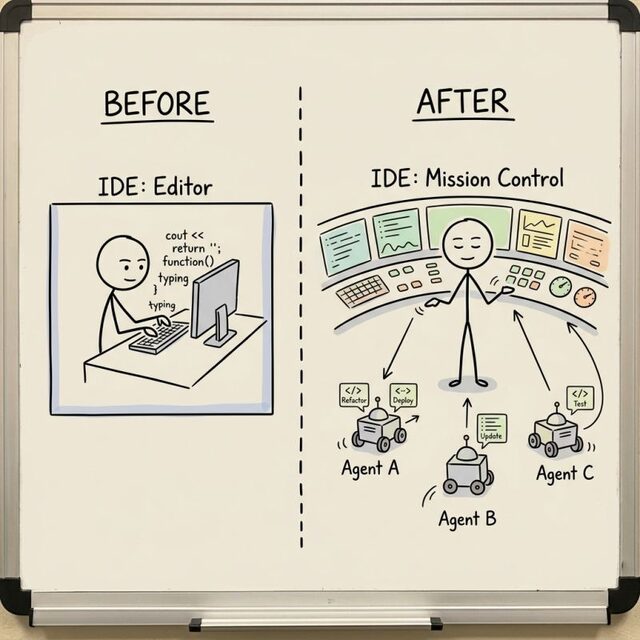
Agents LinkedIn - The IDE as we know it is dying.
The primary function of the IDE is no longer editing. It is becoming mission control: plan, hand the context to an agent in the cloud, review the pull request.
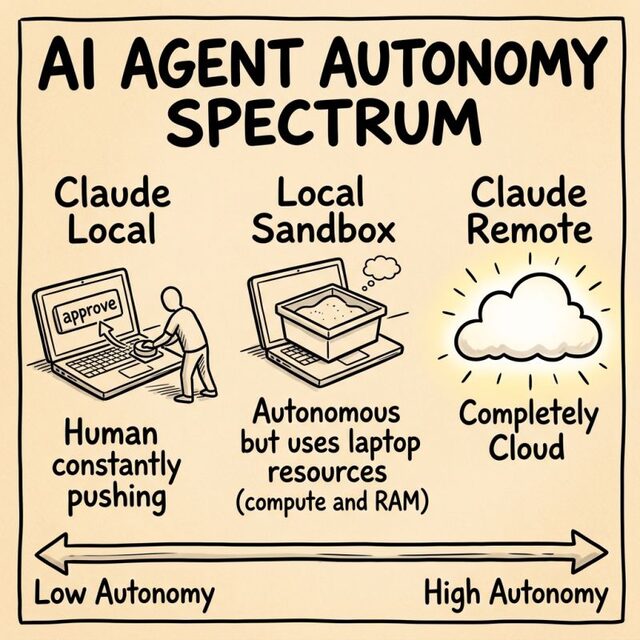
Harness LinkedIn - I built the same landing page three times just to test one thing: how much can I step away from the keyboard?
Autonomy in agentic software engineering isn't a toggle switch. It's a spectrum, from an agent that keeps asking permission to one running in a remote sandbox.
Harness LinkedIn - I gave two agents the exact same task, same model, same codebase. One produced better code.
Both delivered working code. Then I diffed the branches and found four differences that mattered, and my first instinct about why was completely wrong.
Agents LinkedIn - Anthropic leaked 500K lines of Claude Code. The real insight isn't the mistake, it's what followed.
Code itself is no longer the competitive advantage. Your real moat is your system design: data loops, feedback mechanisms, iteration speed. The CI/CD pipeline is now part of the security boundary.
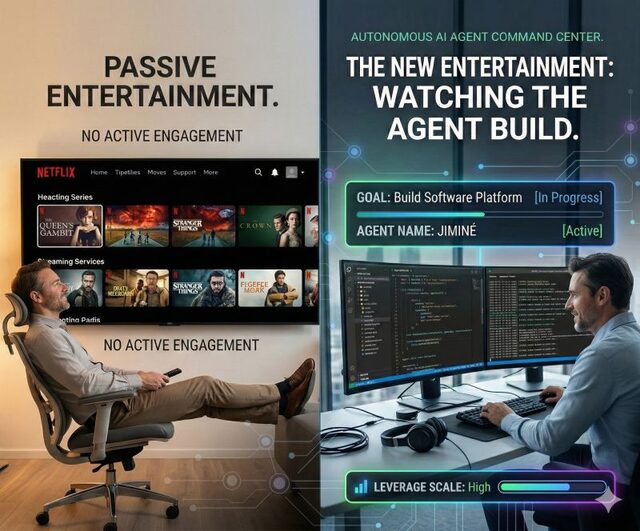
Harness LinkedIn - My new entertainment isn't Netflix or YouTube. It's watching a long-running autonomous AI agent build things.
If you lead a team or a company and you haven't experienced this yet, you are making crucial decisions about AI from the outside looking in.
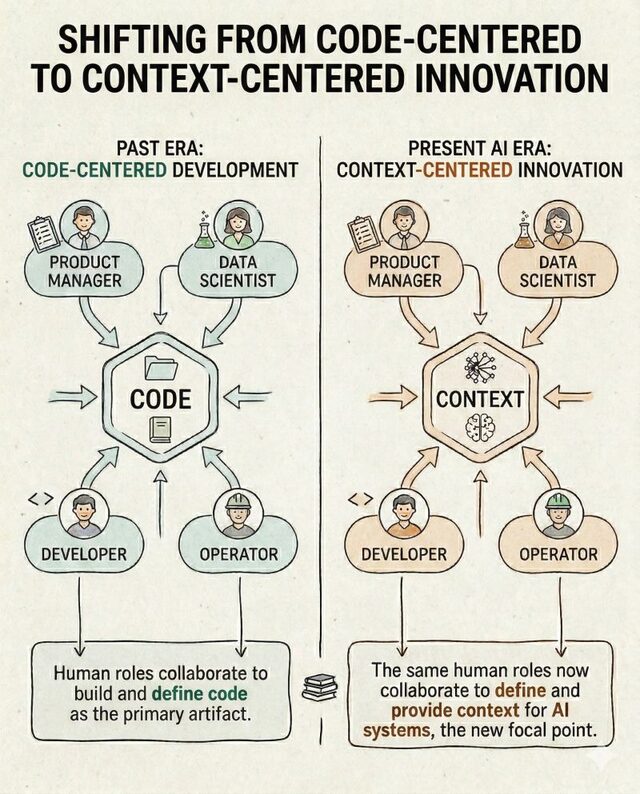
Agents LinkedIn - The primary artifact is no longer code.
In an AI-native model, code is disposable. The true artifact is the context: the spec, the architecture, the past review comments, the trade-offs.
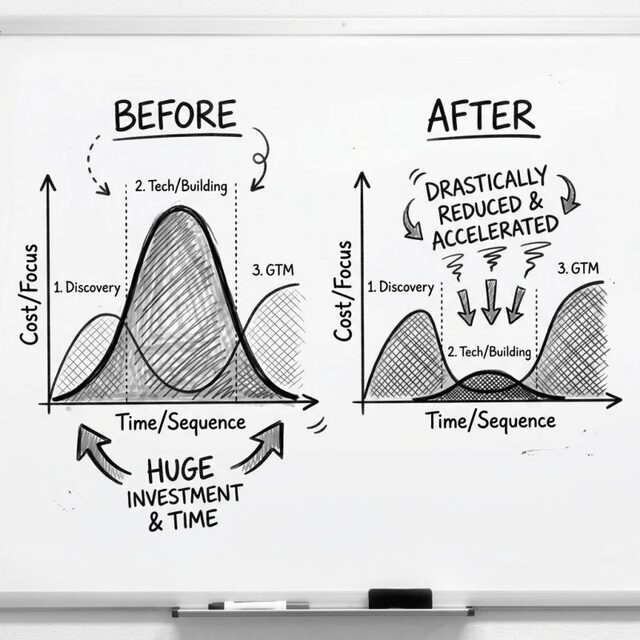
Context layer LinkedIn - If you aggregate all your sprints into a single curve, the fat middle used to be "building." Not anymore.
AI has compressed the middle phase. The biggest unknowns have shifted to the edges: what exactly do we build, and once it's built, how do we sell it?
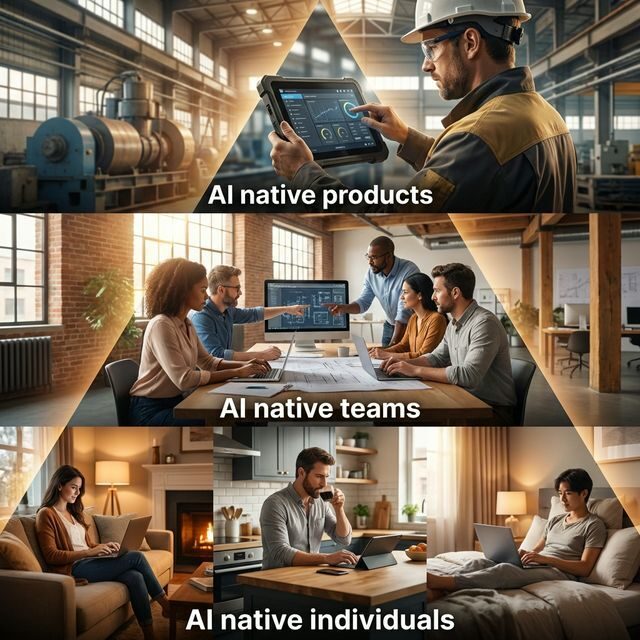
Operating model LinkedIn - The secret to building AI-native products has nothing to do with your tech stack.
AI-native products can only be built by AI-native teams, and an AI-native team is a group of AI-native individuals: people who use AI to make their own lives better.
Operating model LinkedIn - What do you do when your AI IDE says "All Tests Passed", but you can see failing tests?
AI agents can behave like humans under pressure, preferring a clean story over uncertainty, unless you force a verification contract. Contracts, not vibes.
Validation layer LinkedIn - Agile isn't broken. But in services teams, it's often applied too early.
Forward deployment, then rapid prototyping, then agile delivery. Agile depends on feedback loops that don't exist on day one of a services engagement.
Operating model LinkedIn - AI-first development is overrated. (At least in most production systems.)
Brownfield systems don't need less AI. They need different scaffolding: context carving before generation, architecture stabilisation first.
Operating model LinkedIn